

New York Power Authority Hits Hurdles with Renewable Plan – Is Long Island Immune?
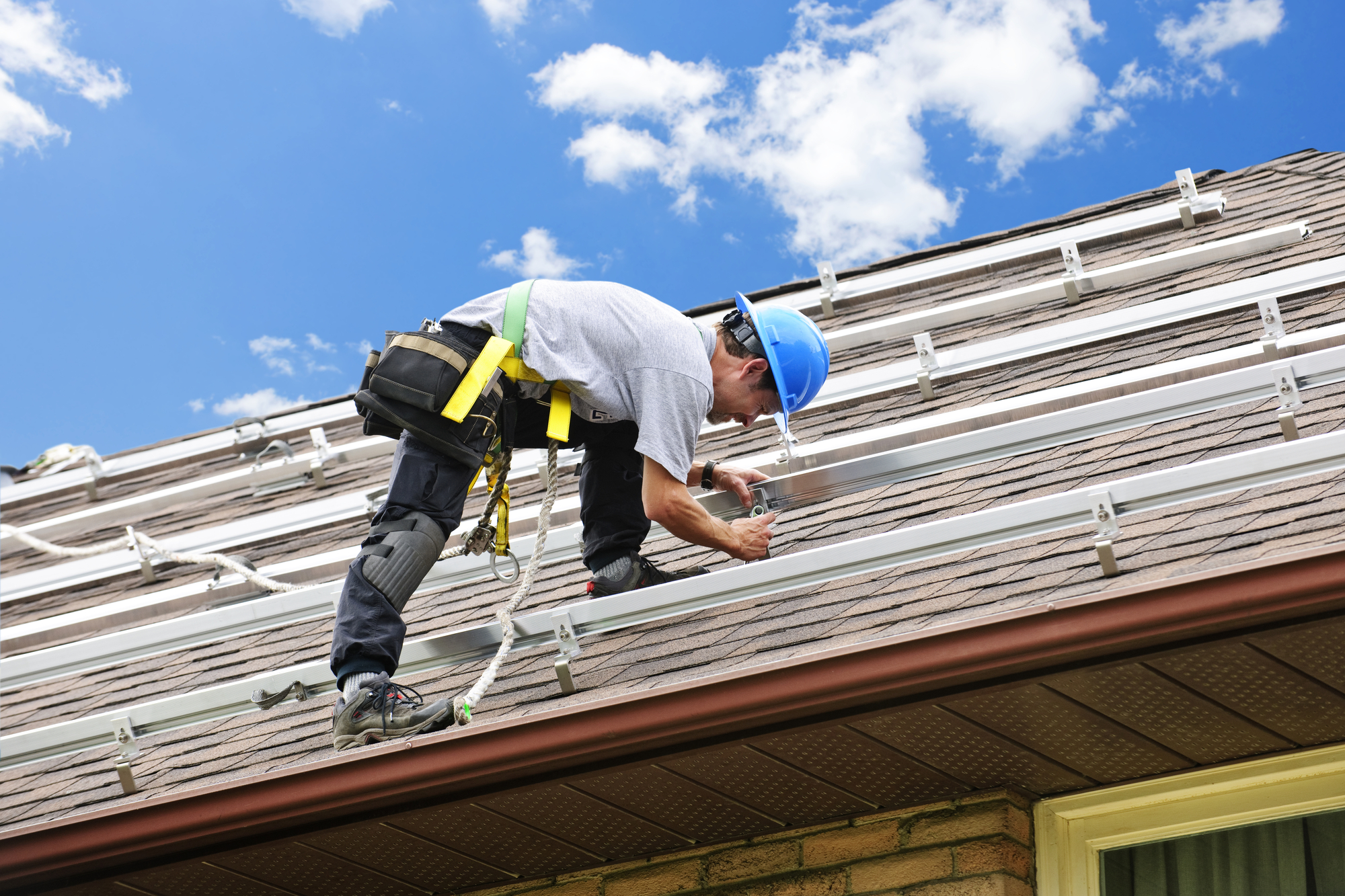
The New York Power Authority is facing challenges in its renewable energy initiatives. According to the latest strategic plan from the NYPA, costs are currently twice the projected revenue, and stakeholders are considering selling renewable energy credits to balance the difference.
Data in the latest NYPA Renewables Updated Strategic Plan shows that startup costs have increased significantly, to a minimum of $100 per megawatt hour.
The Power Authority is responsible for coordinating and developing large-scale solar projects. While you might think this is bad news for private residential solar installation on Long Island, we’re actually lucky to have a completely different environment out here.
What is the Advantage of Residential Solar Panel Installation?
Installing solar on your rooftop helps to reduce your grid energy consumption and save you money over time.
- Solar panels power your home first, so you will owe less to PSEG LI each month.
- Excess energy produced goes back to the grid and turns your meter backwards. Monthly net differences help to offset the months when solar production is low.
- Annual net differences are rolled into a credit bank.
This system, known as net metering, generates significant savings for homeowners. The average Solar installation on Long Island saves enough money to pay for itself within the first ten years.

How Does Residential Solar Allow Better Savings Than NYPA Projects?
Private residential solar installations are more financially viable because of several factors:
- Home solar installations have lower costs for interconnection and permitting.
- Your solar installation will use the roof or land that you already own, unlike NYPA projects that are deployed on costly purchased or leased land.
- Residential solar is financially more efficient. NYPA projects are sensitive to startup costs and political shifts, while your own panels are simply a private decision with well-documented costs, locked in on the day you sign. Your savings come from the money you don’t send to PSEG, without all the financial complexity of large-scale projects.
- Regular net metering credits are set at the retail rate, meaning your excess production this month can be used 1:1 for excess consumption next month. NYPA projects sell electricity at a wholesale rate, which is much lower than the retail rate.
- Large-scale city and state projects are designed to sell energy to the market at volatile rates. A home solar installation is designed primarily for you to consume the energy produced, directly reducing your energy spending.
Home solar in Nassau and Suffolk Counties still works because it’s a more direct savings model, operated by the homeowner, and free of excessive financial and regulatory complications.
How to See How Much You Will Save with Solar
You can request a detailed cost/benefit analysis and energy savings consultation to outline solar installation costs, potential savings (based on your consumption and billing history), payback period, and return on investment.
NYPA projects can struggle to predict long-term viability due to an extensive chain of costs, permits, and political concerns. Residential savings are much more predictable and stable. In fact, with the tendency for utility rates to increase, a home solar installation can actually become more valuable over time.
Getting started is as easy as contacting Power Solutions today. We are one of the best-rated solar contractors on Long Island. Our data-driven approach gives you details upfront so you can predict savings and decide if solar is right for you. We provide the information. You make the choice. Call us at (631) 348-0001 or get your free Long Island solar estimate online.

