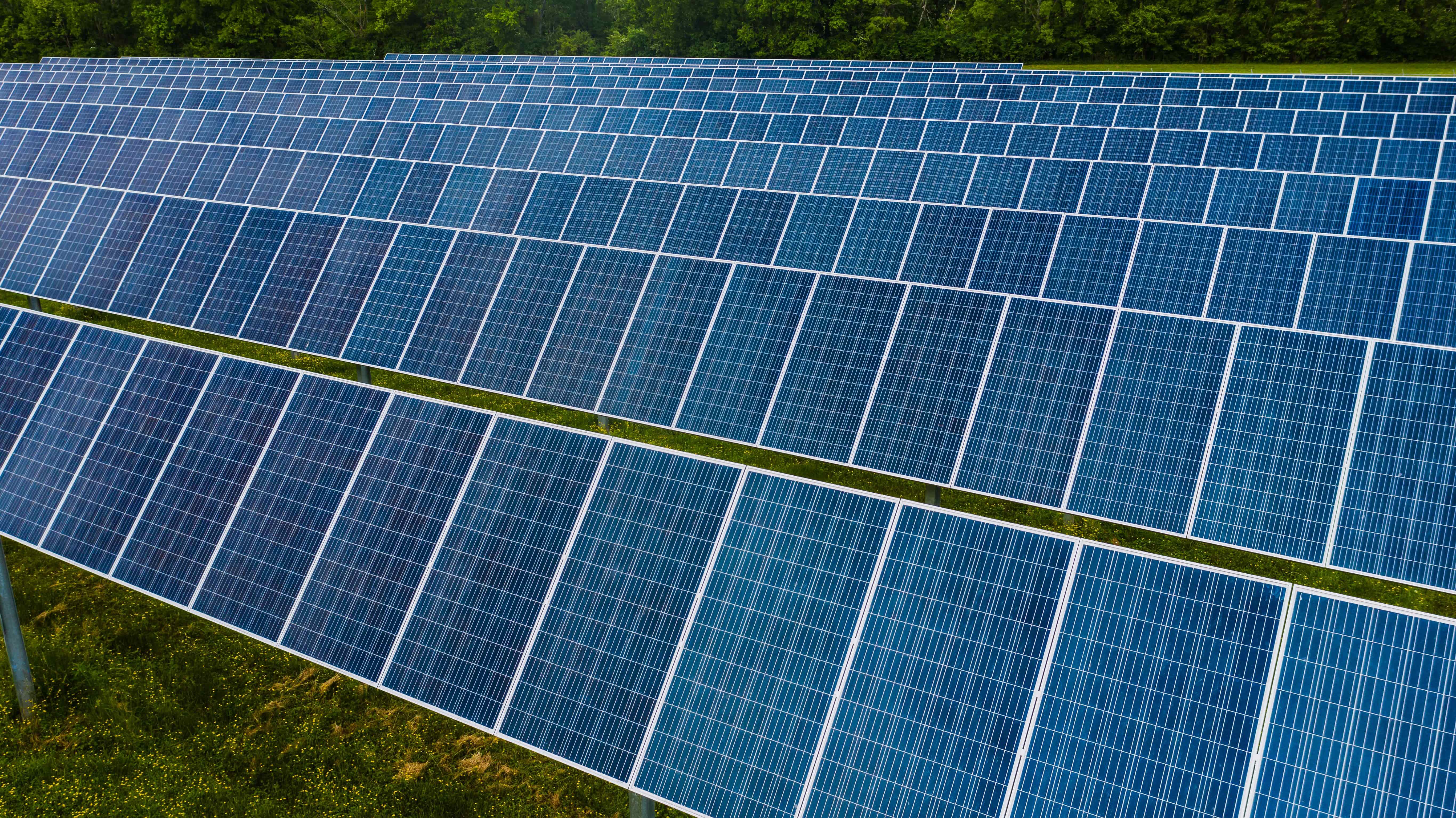

Long Island Electricity Rates Are Rising: Can Solar Protect You from Higher Energy Costs
Partially, yes. Solar panels won’t change what PSEG Long Island charges you per kilowatt-hour, but they will produce electricity so that you consume less from the grid. This immediately reduces your electric bill and protects you from future rate hikes. How much protection you get depends on how your solar panel array is designed, and how you use it.
Key Takeaways
- Long Island’s volatile energy prices are caused by fluctuating fuel costs and LIPA’s Power Supply Charge, which is set on a per-month basis.
- Solar Panels reduce the amount of electricity you take from the grid, directly reducing your bill.
- Your solar panel array should suit your home and unique energy usage patterns. It’s essential to choose an experienced solar contractor on Long Island.
Why are Long Island Electricity Rates So Volatile
Volatility in Long Island’s PSEG LI rates is mostly due to the Power Supply Charge, set by the Long Island Power Authority. This charge varies depending on current market conditions, especially fuel costs. When natural gas prices spike, like they did earlier this year, the Power Supply Charge increases. The charge also increases during periods of high demand, usually during late spring and summer.
You have zero control over the price of the electricity that comes from the grid. Installing residential solar makes you an energy producer, so you gain real energy independence, with much of your daytime electricity coming directly from your rooftop.

How Solar Reduces Your Exposure to Rising Costs
Every kilowatt-hour produced by your solar panels is one that you won’t buy at the PSEG-LI rate. This creates direct savings that you will notice as soon as your solar panels go live.
Net Metering creates additional benefits. When your solar panels produce more than you consume (common in sunny weather), the excess goes out to the grid. The surplus earns credits on your bill. High production periods cover the low production periods.
- Your bill will decrease and become more predictable.
- You will be less exposed to fuel-price spikes.
- Savings are long-lasting. Solar panels last a minimum of 25 years.
Functional Example: A Suffolk or Nassau County home with a solar panel array that covers 70% of its total energy needs now only buys 30% of its electricity from the grid. A sudden Power Supply Charge spike hits only a fraction of the electricity that it used to.
Common Mistakes and Misconceptions
You will have a better experience switching to solar panels on Long Island when you avoid the mistakes and misconceptions that surround the industry:
- You won’t have a zero bill. A highly productive summer could mean that your surplus exports leave you with a positive balance, but you will still pay a small fixed charge to keep your home connected to the grid.
- Your system shouldn’t be sized from one hot summer. It should consider a year of production in all conditions.
- Incentives can reduce the cost of switching to solar. Despite some old information, there’s no longer a federal solar tax credit. However, there’s a New York State solar tax credit worth up to 25% of your installation, up to a maximum of $5,000.
- Don’t skip the on-site inspection. A ballpark figure isn’t the final word. When you follow the process through to an on-site evaluation, you will get a more accurate picture of how much energy your home could produce each year.
The quality of your Long Island solar installer matters more than anything else. An experienced installer will look at real data, survey your home, measure the impact of surrounding shade structures, and provide a detailed cost/benefit analysis.
Frequently Asked Questions
Will Solar Eliminate My PSEG Bill?
Not usually, but there could be some months of the year when you pay nothing more than the standard service/connection fee. Solar’s job is to dramatically reduce your bill, not eliminate it completely.
Will Solar Help if PSEG-LI Charges Rise?
Yes, solar panels will help because most of your energy will come from your rooftop, rather than the grid. Your exposure to rate hikes is reduced when you install solar panels on Long Island.
How Long Do Solar Panels Last?
Solar panels last a minimum of 25 years, but some last longer, often up to 30 years. The best panels come with 25 years of warranty coverage for your peace of mind.
Talk to Power Solutions for Your Free Home Solar Estimate
Long Island electricity costs have trended upward and swing heavily with fuel prices. Solar helps to protect you from the impact of high rates. If you want to start producing your own electricity, you can reach out to Power Solutions today. Get your free ballpark solar estimate online, or call us at (631) 348-0001 today.